


Veteran Ugandan musician Ragga Dee has questioned the sincerity of people who attend the funerals of individuals they allegedly disliked, disrespected or failed to support while they were alive.
Speaking on a YouTube podcast, Ragga Dee argued that death should not suddenly transform strained relationships into public displays of affection and grief when the same people did not show those emotions during the deceased person’s lifetime.

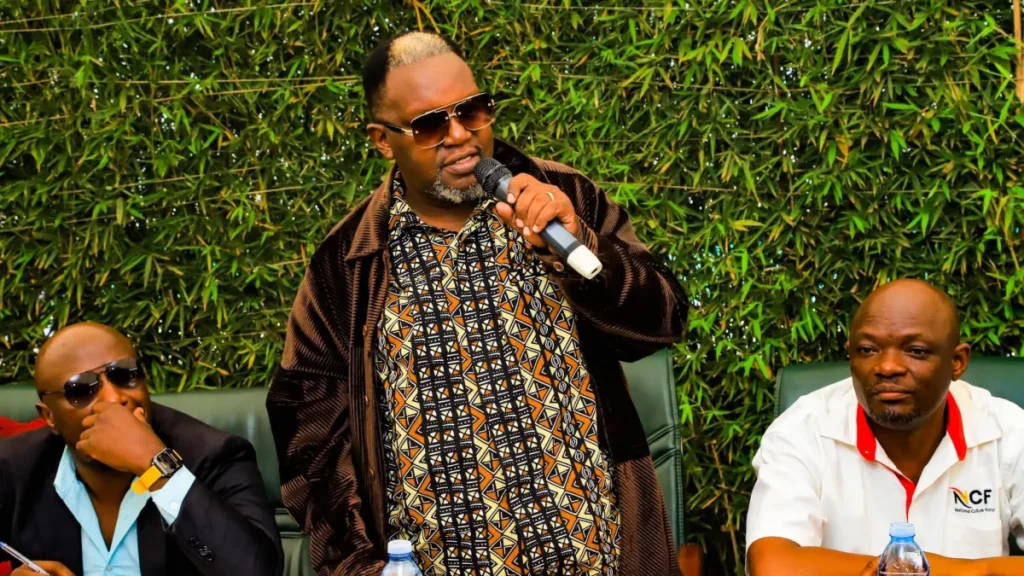
He used Uganda’s music industry to illustrate his point, claiming that some artists become excited when a fellow musician encounters problems and may even appear publicly to comment on the situation.
“I will use the music industry as the example, artists become very happy when a fellow musician gets a problem and even come to prove and if you recorded them from the start, you’d find out that they came happy that a bad thing happened to you.”

Ragga Dee said he believes people should be more straightforward about their relationships while they still have the opportunity to address them.
Rather than waiting for death to publicly demonstrate grief, he argued, people who genuinely have problems with one another should be honest about those feelings during their lifetimes.

The musician said the late veteran filmmaker Alex Mukulu taught him something about the importance of being bluntly honest with people.
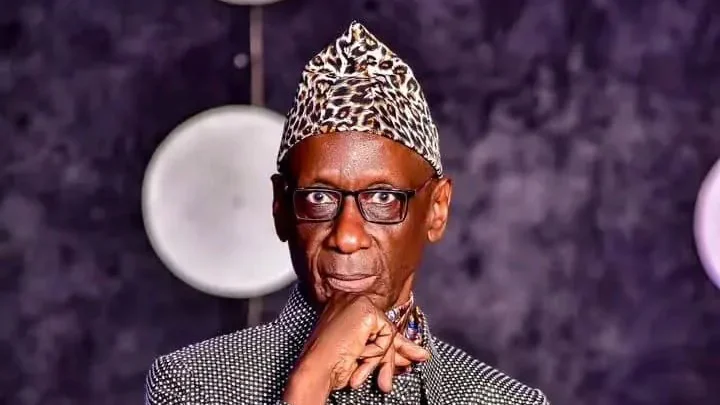
Ragga Dee took the argument even further, imagining a situation where someone who had allegedly mistreated another person in life later arrives at their funeral with flowers.

“If only God gave our spirits the powers in a way that if that someone you don’t like comes to place a bouquet on your coffin, you hold their tie and squeeze them because you didn’t like me in life, not work with me, stole from me or disrespected me but you should how you’re so touched during my death.”
His comments center on a simple principle: show people that you care while they are still alive.
For Ragga Dee, genuine relationships should be expressed through support, respect and honesty during a person’s lifetime, rather than through dramatic displays of grief after they are gone.
The veteran musician’s remarks also raise a broader question about the way public mourning can sometimes look very different from the relationships people had with the deceased before their passing.