

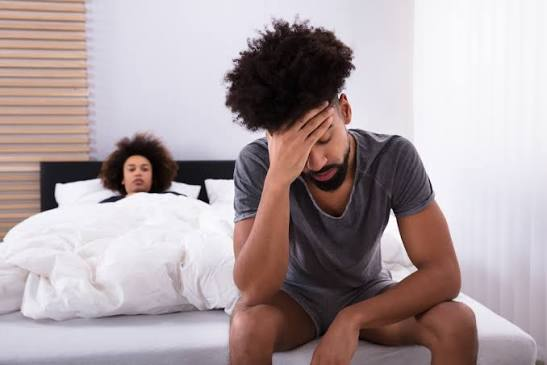
Feeling nervous before sex is not unusual. However, when worries about sexual performance become overwhelming, they can make intimacy stressful rather than enjoyable. This experience is commonly known as sexual performance anxiety (SPA).
Sexual performance anxiety can affect people of different genders. Concerns about satisfying a partner, body image, sexual experience or relationship difficulties may contribute to the problem. For some people, the anxiety can interfere with arousal, erections or orgasm, creating further worry about future sexual experiences.
Understanding its symptoms and possible causes can help people recognise when anxiety is affecting their sex lives and explore ways to manage it.
What Is Sexual Performance Anxiety?
Sexual performance anxiety is a form of anxiety associated with sexual activity. It occurs when fear or nervousness about being able to perform sexually becomes strong enough to interfere with intimacy.
Someone experiencing it may worry about satisfying their partner, maintaining an erection, reaching orgasm or meeting expectations during sex.
Although occasional nervousness is common, persistent anxiety can make sexual experiences difficult or uncomfortable.
Research cited in the source material suggests that sexual performance anxiety may affect approximately 9% to 25% of men and 6% to 16% of women. These estimates should be interpreted in the context of the studies from which they were drawn.
The experience can differ depending on when the anxiety occurs. Before sex, it may make someone reluctant to become intimate. During sexual activity, it can make it difficult to remain engaged, experience pleasure or reach orgasm.
Sexual performance anxiety is not the same as erectile dysfunction or another sexual dysfunction, although anxiety may contribute to sexual difficulties.
Symptoms of Sexual Performance Anxiety
Symptoms can vary from person to person. Some people experience emotional distress before intimacy, while others notice physical or sexual changes during an encounter.
Possible symptoms include:
- Reduced interest in sexual activity.
- Premature ejaculation.
- Difficulty getting or maintaining an erection.
- Difficulty reaching orgasm.
- Vaginal dryness.
- Difficulty becoming sexually aroused.
- Pain during sex.
Not everyone experiences the same symptoms. Some people may notice only one difficulty, while others experience several.
How Is Sexual Performance Anxiety Identified?
Sexual performance anxiety can sometimes be confused with erectile dysfunction or other sexual health conditions.
Although anxiety may contribute to difficulties with sexual performance, physical health conditions, medication effects and other psychological factors can also affect sexual function.
Sexual performance anxiety is not a standalone recognised medical diagnosis in the same way as some sexual dysfunctions. A healthcare professional or qualified mental health practitioner can assess the symptoms, explore possible contributing factors and determine whether another condition needs attention.

The assessment may involve discussing sexual experiences, emotional well-being, relationship concerns and medical history.
Because sexual difficulties can be sensitive to discuss, some people delay seeking support. However, speaking openly with a qualified professional can help identify the underlying concerns and appropriate treatment options.
What Causes Sexual Performance Anxiety?
Sexual performance anxiety does not have one universal cause. It can develop through a combination of psychological, emotional, relationship and physical factors.
Common contributing factors include:
1. Body Image and Self-Esteem Concerns
Worries about weight, height, appearance or specific body features can affect how comfortable someone feels during intimacy.
A person who feels self-conscious about their body may become more focused on how they look than on the experience itself.
2. Relationship Difficulties
Emotional disconnection, unresolved disagreements and a lack of trust can contribute to anxiety during sexual activity.
When someone feels uncertain about their relationship or partner’s expectations, intimacy may become a source of pressure.
3. Mental Health Conditions
Anxiety and depression can affect sexual interest, confidence and enjoyment.
People who already experience persistent anxiety may find that similar worries appear during intimate situations.
4. Limited Sexual Experience
People with little sexual experience may feel uncertain about what to expect or how to respond during intimacy.
Fear of making mistakes or disappointing a partner can increase nervousness, particularly in a new relationship.
5. Stress
Pressure from work, finances, family responsibilities or other areas of life can affect emotional well-being.
When stress becomes overwhelming, it may be harder to relax and remain present during sexual activity.
6. Previous Negative Experiences or Trauma
Uncomfortable, disappointing or traumatic sexual experiences may influence how someone approaches intimacy in the future.

These experiences can contribute to fear, insecurity or difficulty feeling comfortable with a partner.
7. Unrealistic Expectations About Sex
Pornographic content and other media can sometimes create unrealistic ideas about sexual performance, appearance and satisfaction.
Comparing real-life experiences with idealised portrayals may increase pressure and self-doubt. The source material also references research examining possible links between pornography consumption and sexual difficulties, although the relationship should not be treated as proof of causation.
How Sexual Performance Anxiety Can Become a Cycle
One of the difficulties associated with sexual performance anxiety is that it can reinforce itself.
A person may feel nervous before sex because they are worried about their ability to perform. That anxiety may then interfere with arousal or sexual enjoyment.
After an uncomfortable experience, they may become even more concerned about what will happen the next time they are intimate.
Over time, the fear of experiencing another difficulty can make sexual activity increasingly stressful.
Recognising this pattern is an important step towards addressing the underlying anxiety rather than treating every sexual difficulty as a personal failure.
Treatment for Sexual Performance Anxiety
Treatment depends on the factors contributing to the anxiety. Psychotherapy and, in some circumstances, medication may be considered.
Psychotherapy
Cognitive behavioural therapy (CBT) may help people identify and challenge unhelpful thoughts associated with sexual performance.
For example, someone who believes they must perform perfectly may learn to recognise how this expectation increases anxiety and affects their experience.
Therapy can also help address relationship concerns, self-esteem issues and previous negative experiences.
A qualified sex therapist may provide additional support with sexual concerns and communication between partners.
Medication
Medication may be considered when sexual performance anxiety occurs alongside other sexual or mental health difficulties.
Medicines used to treat erectile dysfunction, such as sildenafil (Viagra) or tadalafil (Cialis), may help some people experiencing erection difficulties. However, these medications do not directly address every psychological factor associated with performance anxiety.

The source material also identifies buspirone, bupropion and trazodone as medicines that have shown potential in some research involving performance anxiety symptoms. Their suitability depends on the individual and the condition being treated.
Medication should only be considered with guidance from a qualified healthcare professional. People should not start, stop or change prescribed medication without medical advice.
How to Cope With Sexual Performance Anxiety
Managing sexual performance anxiety often involves reducing pressure, understanding personal needs and building a more comfortable approach to intimacy.
The following strategies may help:
1. Focus on Enjoyment Rather Than Performance
One way to reduce pressure is to shift attention away from whether you are performing well.
Sexual experiences do not have to follow a particular script or produce a specific outcome. Focusing on comfort, connection and mutual enjoyment may make intimacy feel less demanding.
2. Practise Meditation
Meditation can help some people manage stress and become more aware of their thoughts and emotions.
Taking time to relax before intimacy may make it easier to recognise anxious thoughts without allowing them to dominate the experience.
3. Understand Your Own Needs
Spending time understanding your preferences and responses can help you feel more comfortable discussing intimacy with a partner.
Self-exploration may also help identify situations that cause discomfort or anxiety.
4. Stay Present During Intimacy
Worrying about what might go wrong can make it difficult to enjoy the moment.
Instead of constantly evaluating your performance, try to pay attention to communication, comfort and the experience you are sharing with your partner.
5. Accept That Sex Is Not Always Perfect
Sexual experiences can vary. Stress, tiredness, emotions and changes in circumstances may affect how someone feels from one occasion to another.
A difficult experience does not automatically mean there is a lasting problem or that someone is incapable of satisfying a partner.
6. Slow Down and Take Your Time
Rushing through intimacy can create additional pressure.

Allowing time for affection, communication and foreplay may help both partners feel more comfortable and connected.
It is also important to respect each person’s boundaries and recognise when either partner would prefer to stop.
7. Manage Everyday Stress
Stress outside the relationship can affect sexual well-being.
Regular sleep, physical activity, relaxation and practical approaches to managing work or financial pressures may help improve overall well-being.
8. Speak to a Therapist
If anxiety continues to interfere with intimacy, speaking with a qualified therapist may help.
A sex therapist or mental health professional can help explore possible causes, identify unhelpful thought patterns and discuss appropriate strategies for managing the problem.
Frequently Asked Questions
How Common Is Sexual Performance Anxiety in Men?
The source material cites estimates suggesting that approximately 9% to 25% of men experience sexual performance anxiety. However, estimates vary depending on the research and how the condition is defined.
How Can I Help My Boyfriend With Performance Anxiety?
A supportive approach can make a difference. Avoid criticising or pressuring your partner, and create opportunities to discuss concerns without embarrassment.
Focus on mutual comfort and connection rather than treating sex as a test of performance. If the anxiety continues, encourage him to consider speaking with a qualified healthcare or mental health professional.
Why Does My Boyfriend Experience Performance Anxiety?
Possible reasons include stress, fear of disappointing a partner, relationship difficulties, body image concerns, limited sexual experience and previous negative experiences.
There may also be underlying physical or mental health factors. Understanding the specific cause requires an individual assessment rather than making assumptions.
What Does Sexual Performance Anxiety Feel Like?
It may involve nervousness before intimacy, fear of not satisfying a partner, difficulty concentrating, reduced arousal or concerns about maintaining an erection or reaching orgasm.
The experience varies, and not everyone has the same symptoms.
The Bottom Line
Sexual performance anxiety can make intimacy stressful by creating pressure around sexual ability and expectations. It may affect arousal, erections, orgasm and overall enjoyment, but these difficulties do not mean someone is inadequate or incapable of having a satisfying relationship.
Understanding possible triggers, communicating openly, managing stress and focusing on mutual enjoyment may help reduce the pressure. When anxiety persists, professional support can help identify contributing factors and explore suitable treatment options.