

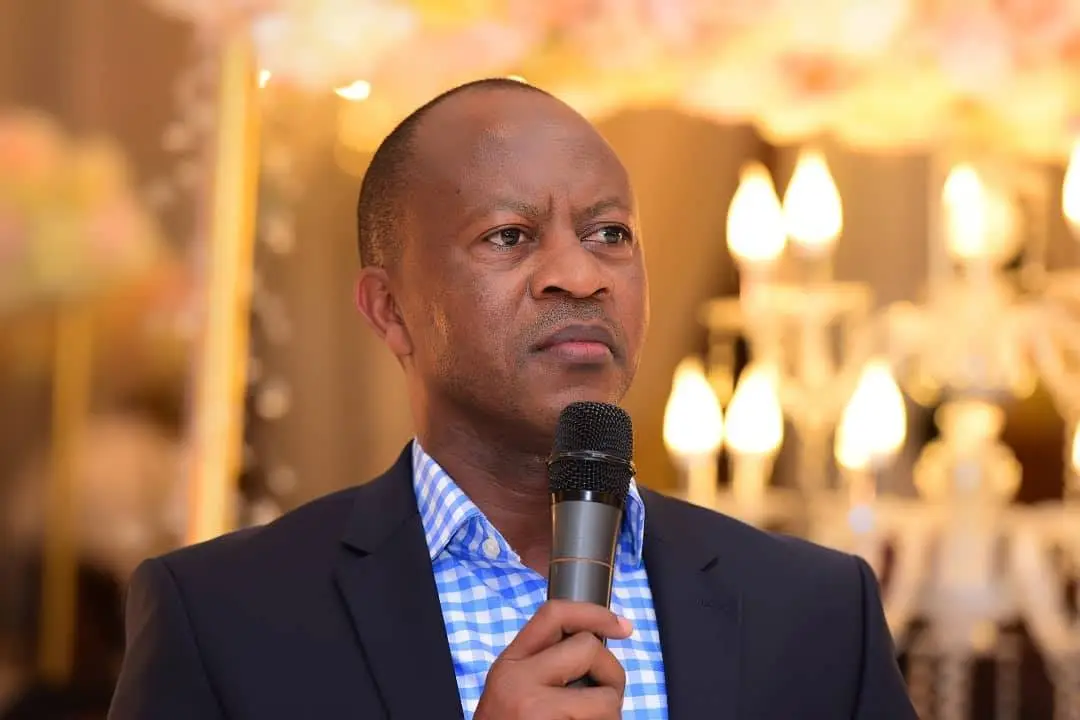
Outspoken media personality Frank Gashumba is back in the headlines — and this time, he’s taking aim at Uganda’s music industry.
Known for his unfiltered opinions, Gashumba has sparked fresh debate after labeling many Ugandan artists as “local stars,” questioning their ability to break into the global market.
And as expected, his comments are already causing a stir.
“Most of Our Musicians Are So Local”
Gashumba didn’t hold back when addressing the state of Ugandan music.
According to him, the majority of artists have failed to expand their reach beyond the country’s borders — a limitation he believes is holding the industry back.
“Most of our musicians are so local.”
It’s a blunt statement, but one that touches on a long-standing conversation about global visibility.

Struggling to Break Into International Markets
One of Gashumba’s main concerns is the lack of international penetration.
He pointed out that Ugandan songs rarely make an impact in global markets, specifically mentioning countries like Germany.
For him, true success goes beyond local fame — it’s about crossing borders and reaching diverse audiences worldwide.
- Limited international airplay
- Minimal global recognition
- Low presence in foreign markets
These are the gaps he believes need urgent attention.
Comparisons to Nigeria and South Africa
To drive his point home, Gashumba compared Uganda’s music scene to powerhouses like Nigeria and South Africa.
According to him, artists from these countries have mastered the art of global appeal.
- Their music is played across continents
- Their sound resonates with international audiences
- Their cultural influence continues to grow
In his view, they’ve effectively “taken over” the industry on a global scale.

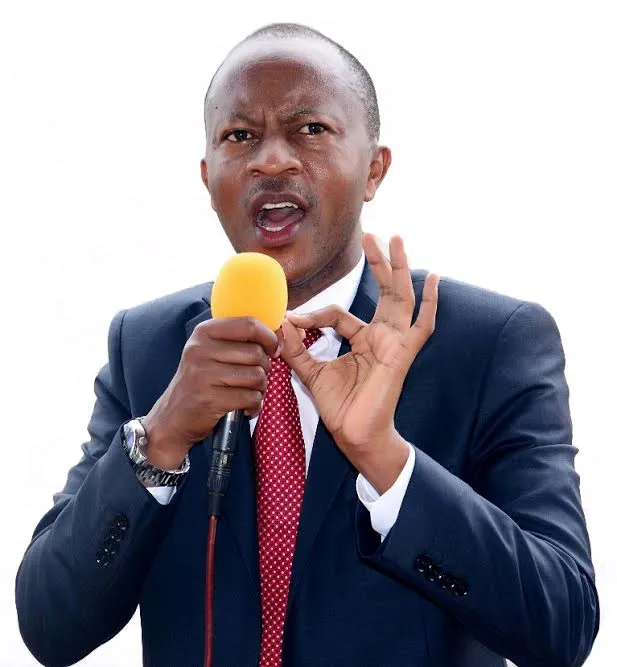
Why Global Reach Matters
Gashumba’s comments highlight a bigger issue — the importance of international exposure.
Breaking into global markets can mean:
- Increased revenue streams
- Bigger performance opportunities
- Stronger brand recognition
Without that reach, even successful local artists may struggle to compete on the world stage.
A Surprising Nod to Joshua Baraka
Despite his criticism, Gashumba did take a moment to acknowledge rising talent.
He gave credit to Joshua Baraka, noting that he has heard positive feedback about the artist’s music quality.
However, his praise came with a twist.
“I want to credit Joshua Baraka because people say his music is good, but honestly, I don’t know him or any of his songs.”

That admission has raised eyebrows — and sparked even more conversation.
Fans React to His Comments
As expected, social media is buzzing with reactions to Gashumba’s remarks.
Some fans agree with his perspective:
- “He’s saying what many are afraid to say.”
- “We need more global representation.”
- “Our artists should think bigger.”
Others strongly disagree:
- “Ugandan music is growing — he’s being too harsh.”
- “Not everyone measures success the same way.”
- “Local impact matters too.”
And then there are those caught in the middle, acknowledging both the progress and the challenges.
The Ongoing Debate: Local vs Global
Gashumba’s comments tap into a broader debate within the industry:

- Is local success enough?
- Should every artist aim for international fame?
- What does “global success” really look like?
For some, dominating the local scene is a major achievement.
For others, global recognition is the ultimate goal.
Where Does Ugandan Music Go From Here?
Uganda’s music industry has seen significant growth in recent years, with artists gaining more visibility across Africa and beyond.
But Gashumba’s critique suggests there’s still work to be done — especially when it comes to competing internationally.
Key areas that could shape the future include:
- Strategic collaborations
- International marketing and distribution
- Investment in production quality
- Stronger global branding
The Bottom Line
Frank Gashumba has once again ignited a conversation — this time about the global standing of Ugandan music.
While his comments may be controversial, they highlight an important question:
Is the industry ready to take the next step onto the world stage?
And more importantly — what will it take to get there?
What do you think about Gashumba’s remarks? Join the conversation.