


Elijah Kitaka says Uganda’s election season creates a planning headache for artists and other creatives because there is no clear way to predict when public attention will return to entertainment.
The Swangz Avenue singer explained that, unlike the festive season, which creatives can prepare for and schedule around, election periods are far less predictable because they affect the entire country.
“It’s unpredictable. You cannot say, ‘How can I plan for election time?’ It’s not possible,” Kitaka said.

According to the singer, election-related activity can effectively bring much of the entertainment calendar to a pause as people turn their attention toward the political process.
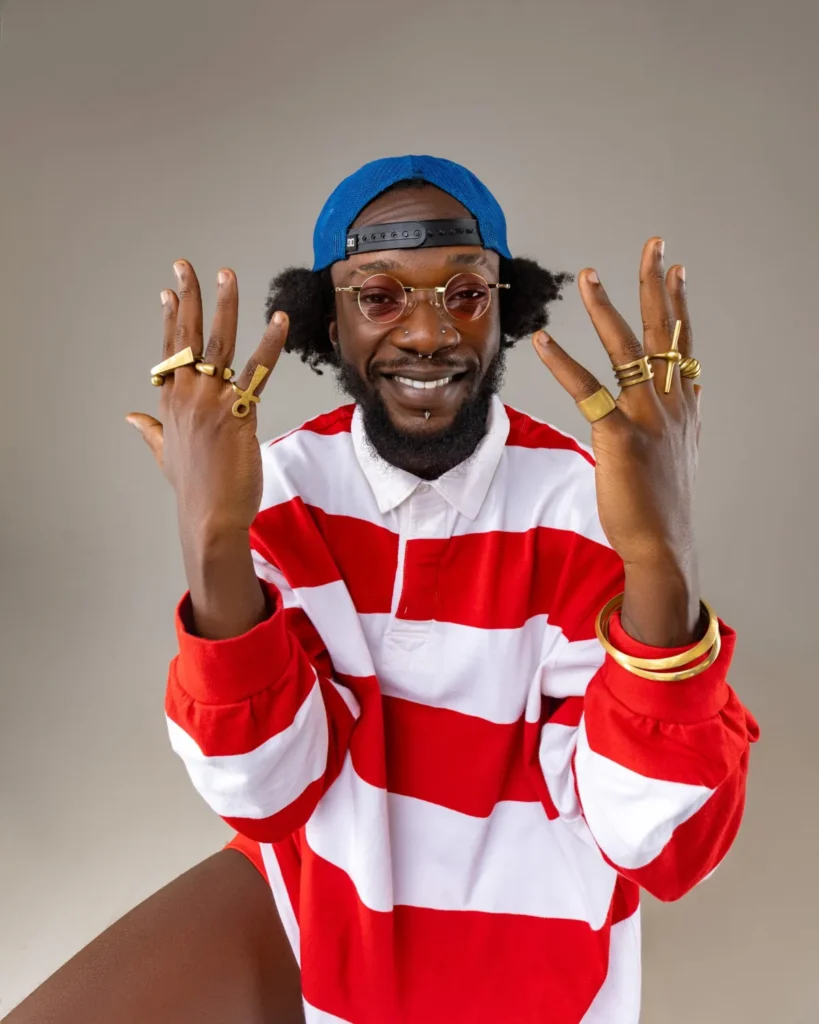
“Everything has to pause because the elections concern us and everyone in the country. That’s why everything gets to pause for it to work,” he added.
For artists, that shift in attention can create a difficult environment for releasing new music or promoting major projects.

Kitaka argued that even a carefully planned EP could struggle to attract the attention it would normally receive if audiences are primarily focused on political developments and deciding who they will vote for.
“The truth is, even when you say you drop an EP, people won’t focus on it. They will be thinking about who they’re going to vote for in the elections,” he said.
Kitaka also suggested that trying to aggressively promote music during such a period may not make sense because the audience’s priorities have temporarily shifted.

However, he was careful to distinguish between creatives deliberately allowing elections to derail their careers and simply being affected by circumstances beyond their control.
“I wouldn’t say we let it affect us. It is the unpredictability around it,” Kitaka explained.
The biggest challenge, he said, is not knowing exactly when the election period will settle enough for normal entertainment activity to resume.

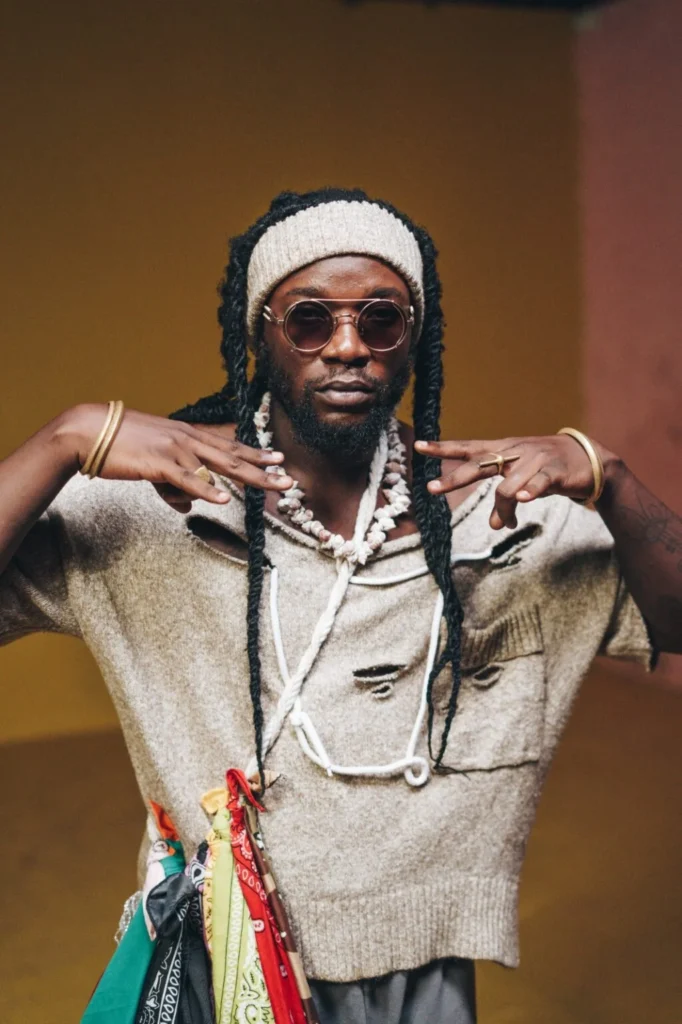
“When does it settle? People don’t know that,” he said. “So we remain in a certain unstable way, and some people still take their time until maybe when they see specific things happening.”
For Kitaka, that uncertainty can leave artists caught off guard, particularly when trying to make decisions about release schedules, promotions and other creative projects.
His comments highlight the difficulty of navigating an entertainment calendar during a period when national attention can quickly move away from music and toward politics.
For Uganda’s creatives, the challenge may therefore be less about avoiding election season altogether and more about figuring out when the audience is ready to listen again.