

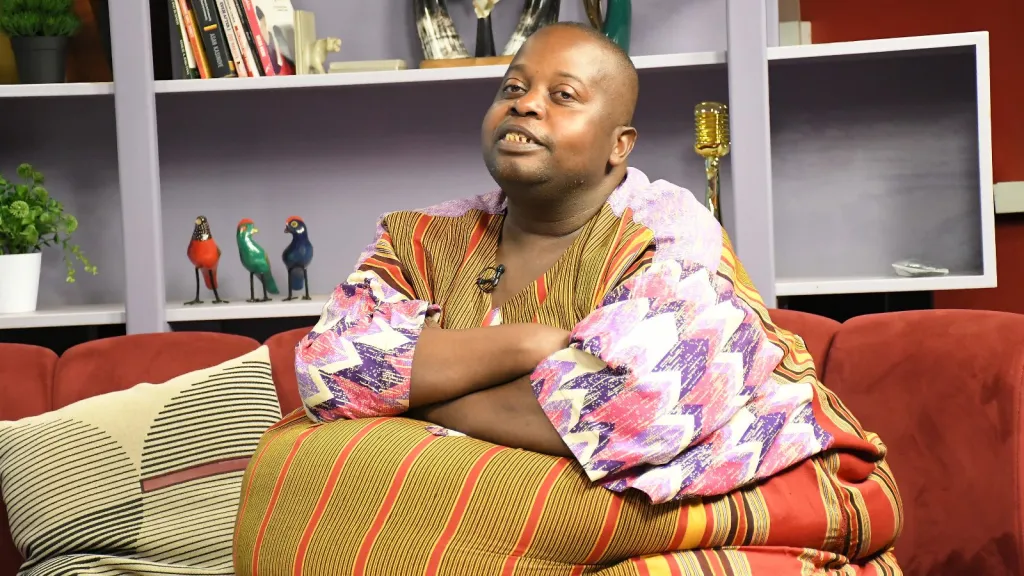
Kabale-based photojournalist Moses Agaba has opened up about the financial and emotional challenges of living with obesity, revealing that even ordinary journeys can come with extra costs and unwanted public attention.
Agaba shared his experience during an appearance on NTV’s Mwasuze Mutya, where he discussed significant weight gain that began in 2013 and the difficulties he has faced since seeking medical attention and receiving an obesity diagnosis.
One of his biggest frustrations is the cost of transportation. Agaba says he is sometimes required to pay for two seats when travelling by taxi or bus, while boda boda riders also charge him extra because of his size.

“Yesterday, I travelled from Kabale and had to pay UGX 80,000 in transport fares. I’m still not used to paying double for transport,” he said.
“The boda boda charges me extra, and the taxi also charges me twice because I occupy two seats. It’s not easy living with obesity.”
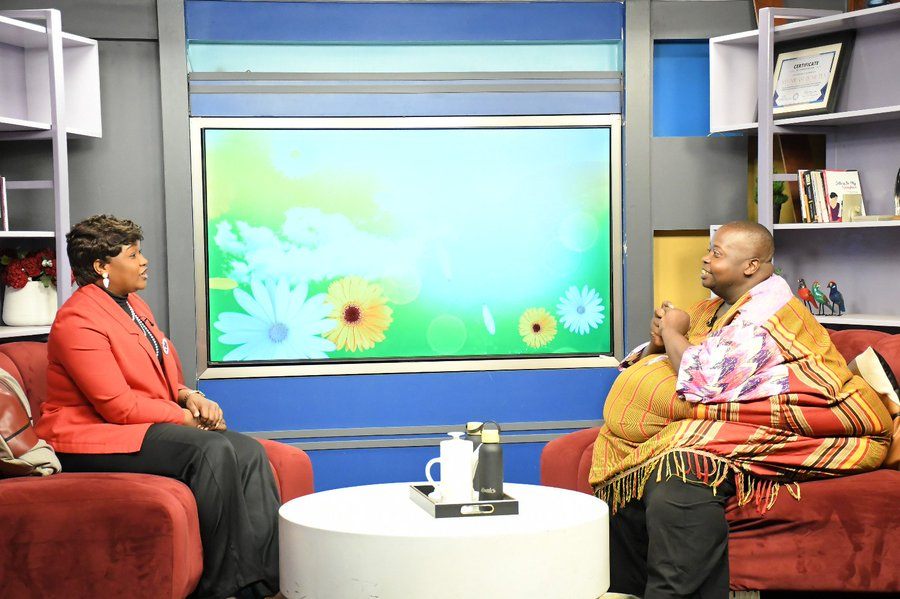
The experience illustrates how Agaba says his weight has affected the cost of routine activities, making travel more expensive than he would like.
Beyond the financial burden, the journalist also spoke about the emotional impact of the attention he receives in public.
Agaba, who says he currently weighs 186 kilogrammes, described people staring at him, whispering about his appearance and taking his photographs without asking for permission.
He appealed to the public to respect his privacy and avoid making assumptions about changes in another person’s body.
“I currently weigh 186kg, and whenever people meet me, they stare or whisper about me. Some even take my pictures without my permission,” he said.
“I wish people would ask me what caused this change in my body. There may be a story behind it that you know nothing about.”
Agaba’s account highlights the dignity and privacy concerns that can accompany visible health conditions, particularly when strangers turn someone’s appearance into a subject of public curiosity.
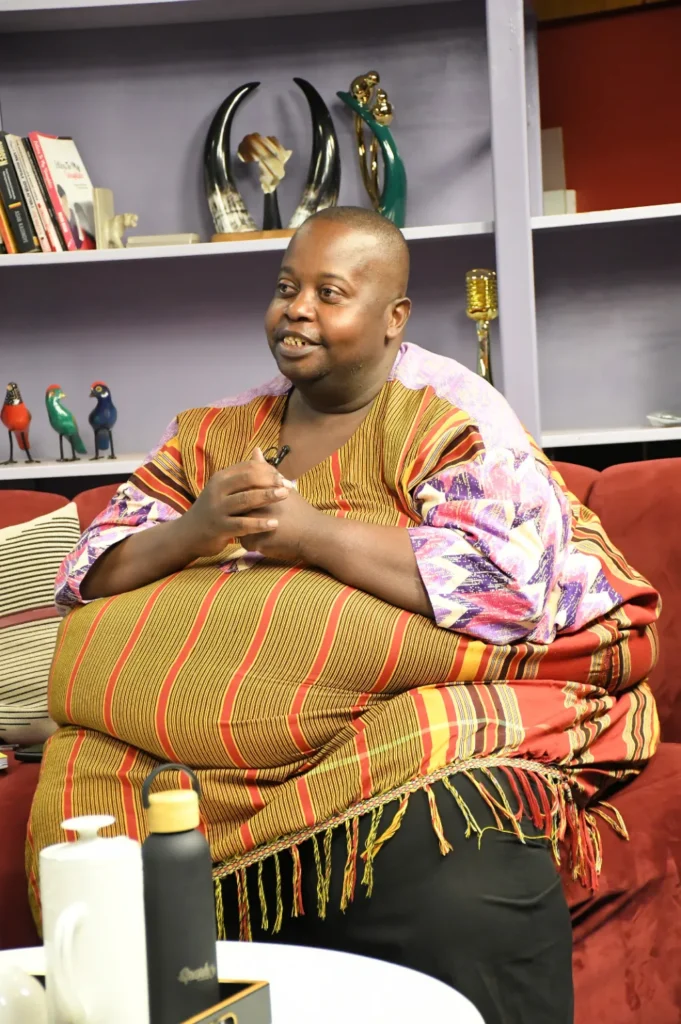
The photojournalist also revealed that doctors have advised him to consider surgery as part of managing his weight. The procedure discussed could involve reducing the size of his stomach to help him feel full sooner and eat smaller portions.
He has not provided further details in the material available about the type of surgery, whether he has decided to proceed or when a procedure might take place.
For Agaba, the challenges extend beyond the number on the scale. His experience involves transportation expenses, medical considerations and the strain of navigating public spaces while facing unwanted scrutiny.
His appeal is straightforward: people should approach others with understanding and respect rather than photographing them without consent or assuming they know the circumstances behind their appearance.