


Mubaraka Munyagwa Sparks DNA Debate After Paul Kafeero Paternity Test Results
Former Kawempe South MP Hon. Mubaraka Munyagwa has weighed in on the ongoing conversation around DNA testing, saying men should not rush to test children who have already been accepted within their families.
Munyagwa argued that when a wife acknowledges a child as her husband’s, there should be trust between the couple instead of immediately seeking biological confirmation.
His comments come amid public discussion following DNA tests involving individuals who claimed to be children of late Kadongo Kamu music icon Paul Kafeero, with reports indicating that only a small number of claimants were found to have a biological connection to the legendary singer.
The debate has since opened wider conversations about family, trust, identity, and the role of DNA testing in modern relationships.
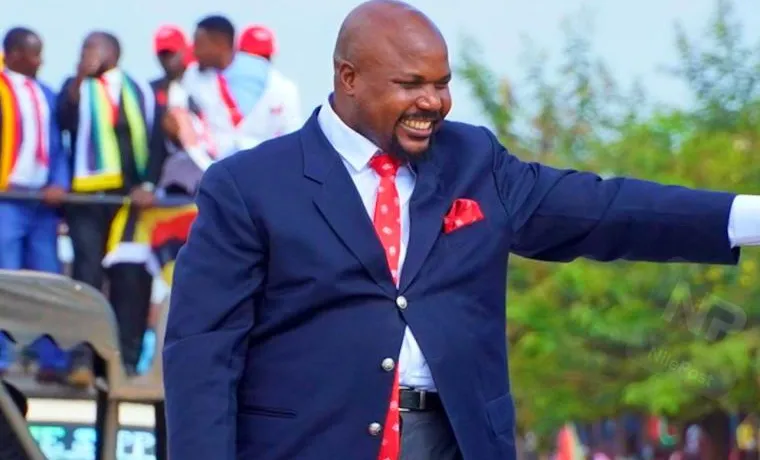
Mubaraka Munyagwa’s Position on DNA Testing
Speaking about the issue, Munyagwa said he personally would not subject children already accepted into his family to DNA testing simply because of doubts.

“If my wife tells me the child is mine, I have no reason to doubt her. I can’t take my children for DNA tests, especially after giving them my name. Men should stop wasting their time,” he said.
The former legislator’s remarks reflect his view that family acceptance and trust should carry significant weight in marriage.
According to Munyagwa, once a child has been welcomed into the family and given the father’s surname, questioning the child’s biological connection through testing can create unnecessary tension.
His comments have added another perspective to a discussion that has become increasingly common in public conversations — whether DNA tests strengthen families by providing certainty or create deeper conflicts by introducing suspicion.
Paul Kafeero DNA Results Trigger Public Conversation
The debate gained attention after DNA tests were reportedly conducted on 25 individuals who claimed to be children of the late Kadongo Kamu legend Paul Job Kafeero.
According to reports surrounding the findings, only four of the claimants were established as biologically related to the late musician.

The results attracted public attention because Paul Kafeero remains one of Uganda’s most respected traditional music figures, and questions surrounding his family legacy carried emotional significance for many fans.
Following the reported findings, some members of the public called for additional verification, including suggestions that independent DNA tests should be carried out in other countries such as the United Kingdom and South Africa.
Critics questioning the results pointed to the emotional response of some individuals whose claims were rejected, saying some appeared surprised and distressed by the outcome.
The situation has continued to fuel conversations about how paternity claims involving public figures should be handled.
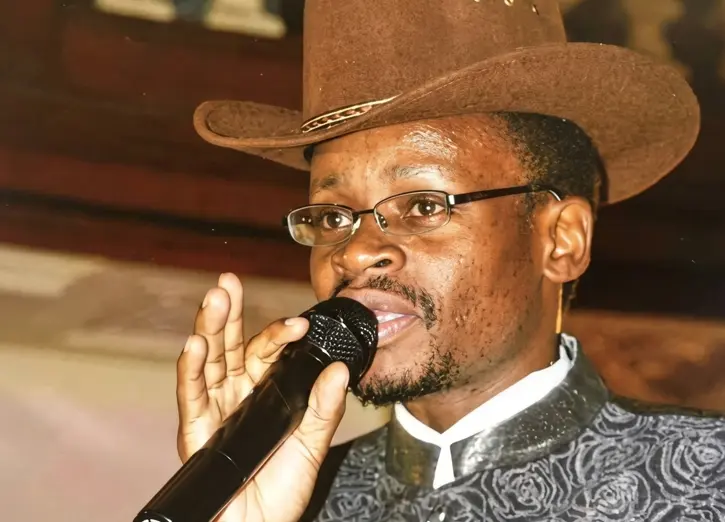
Trust, Family Names, and the DNA Debate
At the center of the discussion is a complicated question: does biological connection define parenthood, or does raising and accepting a child carry equal importance?
Munyagwa’s comments focus on the role of trust between spouses and the responsibility of parents who have already embraced a child as part of their family.

However, DNA testing supporters often argue that biological confirmation can provide clarity, especially in situations involving inheritance, family records, or personal identity.
The Paul Kafeero case has highlighted how emotionally sensitive these issues can become when they involve public figures and families.
Why the Debate Matters
DNA testing has become a major social discussion in many communities because it touches on personal relationships, legal identity, and family history.
For some, DNA results provide answers that can resolve uncertainty. For others, the process can create emotional challenges when the results do not match expectations.
The reactions surrounding the Paul Kafeero claims show that paternity discussions are rarely just about science. They often involve questions of belonging, acceptance, and personal history.
Munyagwa’s statement adds a cultural and personal viewpoint to a conversation that continues to divide opinions.

Human Side of the Conversation
Behind every DNA result is a personal story involving families and individuals who may have spent years believing they understood their relationships.
Whether people support DNA testing or prefer trust-based family bonds, the discussion highlights how deeply people connect identity with family.
As public conversations continue, the issue remains one where science, emotions, and tradition meet.
The debate around DNA testing is unlikely to disappear soon, especially as more families and public figures face similar questions about ancestry and biological ties.