

Lydia Jazmine Says Politics Has Slowed Uganda’s Music Industry and Reduced Artist Bookings
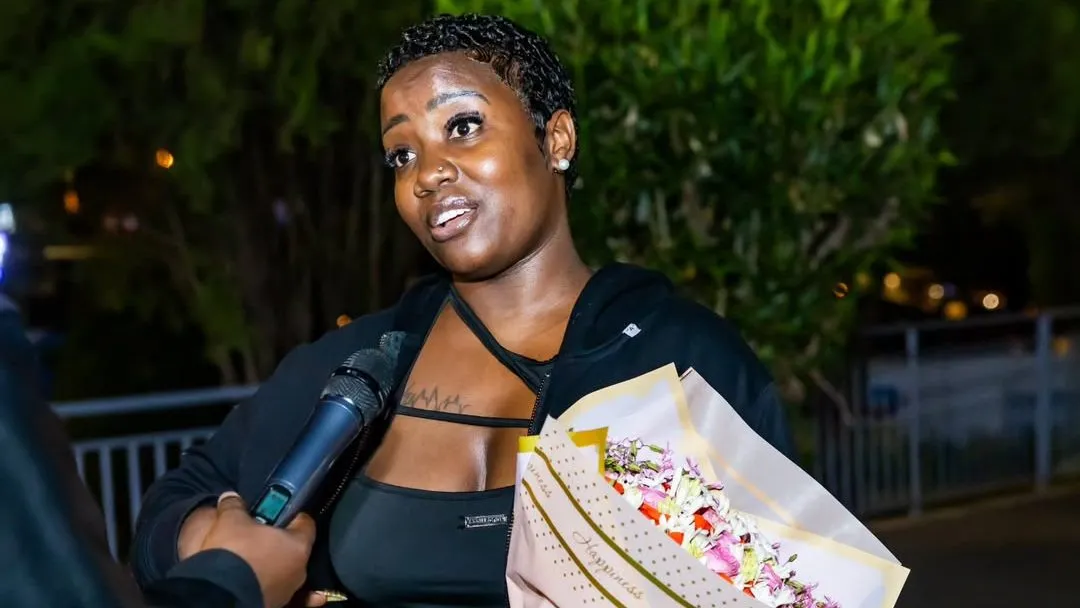
Ugandan singer Lydia Jazmine believes politics has taken a noticeable toll on the country’s entertainment industry, saying the prolonged political season at the beginning of the year affected everything from concert bookings to music releases and audience engagement.
Speaking in a recent interview, the singer reflected on the challenges artists have faced in recent months, revealing that her own bookings have dropped significantly compared to previous years. According to Jazmine, the slowdown is closely linked to the country’s political environment, which dominated public attention for nearly the first three months of the year.
Her comments come as many artists continue navigating an industry that has experienced shifting consumer habits and economic pressures.
Fewer Bookings and Less New Music
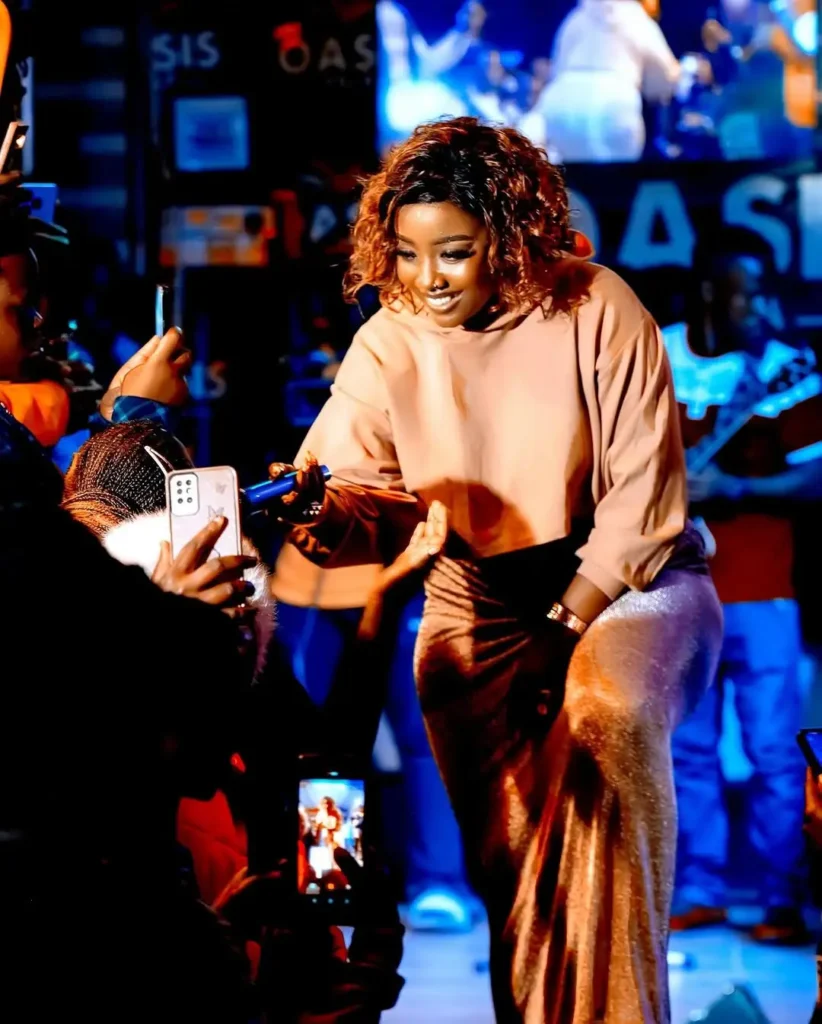
Jazmine agreed with suggestions that Uganda’s music scene has been quieter than usual.
According to her, both the volume of new music being released and the public’s response to those releases have declined.
“According to the statistics, I think it’s true (music is scarce),” she said.

She explained that fewer songs are being released, and even those that make it to the public are struggling to achieve the level of airplay and attention seen in previous years.
“The rate at which music is being released is low, and the rate at which the released songs are gaining airplay is also low. The reception is low, but it’s okay because we started the year with heavy politics, for almost three months,” Jazmine said.
For the singer, the slowdown is not simply about music trends but about broader national circumstances that influenced how audiences and businesses operated during that period.
Politics and the Entertainment Business
Jazmine believes the effects of politics extend beyond campaign rallies and public debate.
She argued that the entertainment industry inevitably feels the impact whenever political activity dominates national attention.
“Politics affects music whether you want it or not,” she said.

She explained that live performances and event bookings have been among the biggest casualties.
“It affects the industry because we are not booked.”
According to Jazmine, the challenges facing musicians mirror broader economic difficulties affecting businesses across the country.
“Economically, the country has dipped, even other businesses – not just music,” she added.
Her comments suggest that entertainers are experiencing many of the same financial pressures as other sectors during periods of economic uncertainty.
A Challenge Facing More Than One Artist
Although Jazmine spoke from her own experience, her observations touch on concerns that have been raised by several figures in Uganda’s entertainment industry in recent years.

Live performances remain the primary source of income for many musicians, making bookings especially important to their careers.
When concerts, corporate events and private shows become less frequent, artists often feel the impact almost immediately.
At the same time, slower music releases can affect radio playlists, streaming performance and overall fan engagement, creating additional challenges for musicians trying to stay visible in a competitive market.

Why Her Comments Matter
As one of Uganda’s most established female artists, Lydia Jazmine’s perspective offers insight into the realities many performers face behind the scenes.
Her remarks also highlight the close relationship between the country’s economy and its creative industries.
When businesses reduce spending and public attention shifts elsewhere, entertainment is often among the sectors that experiences the effects first.

Whether the slowdown proves temporary or signals a longer-term trend remains to be seen, but Jazmine believes the industry is already feeling the consequences.
Despite acknowledging the current challenges, Jazmine struck a measured tone rather than one of frustration.
Instead of placing blame on any individual or institution, she pointed to broader political and economic conditions that she believes have reshaped the entertainment landscape.
For artists whose livelihoods depend on performing and connecting with audiences, her comments reflect the realities of an industry working to regain momentum after a difficult start to the year.
As Uganda’s political season fades into the background, many musicians will be hoping for a rebound in bookings, stronger audience engagement and a renewed appetite for new music.