

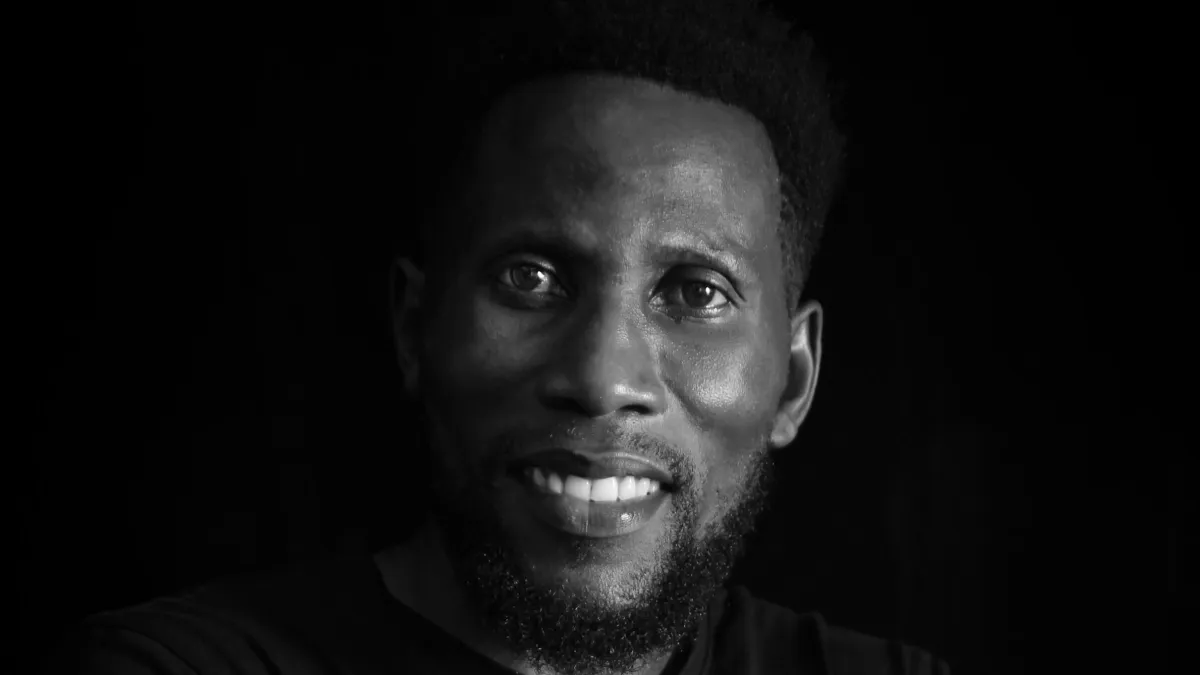
Triplets Ghetto Kids manager Dauda Kavuma has called on the Ugandan government to establish rehabilitation centres where children living on the streets can access education, mental health support and opportunities to develop their talents.
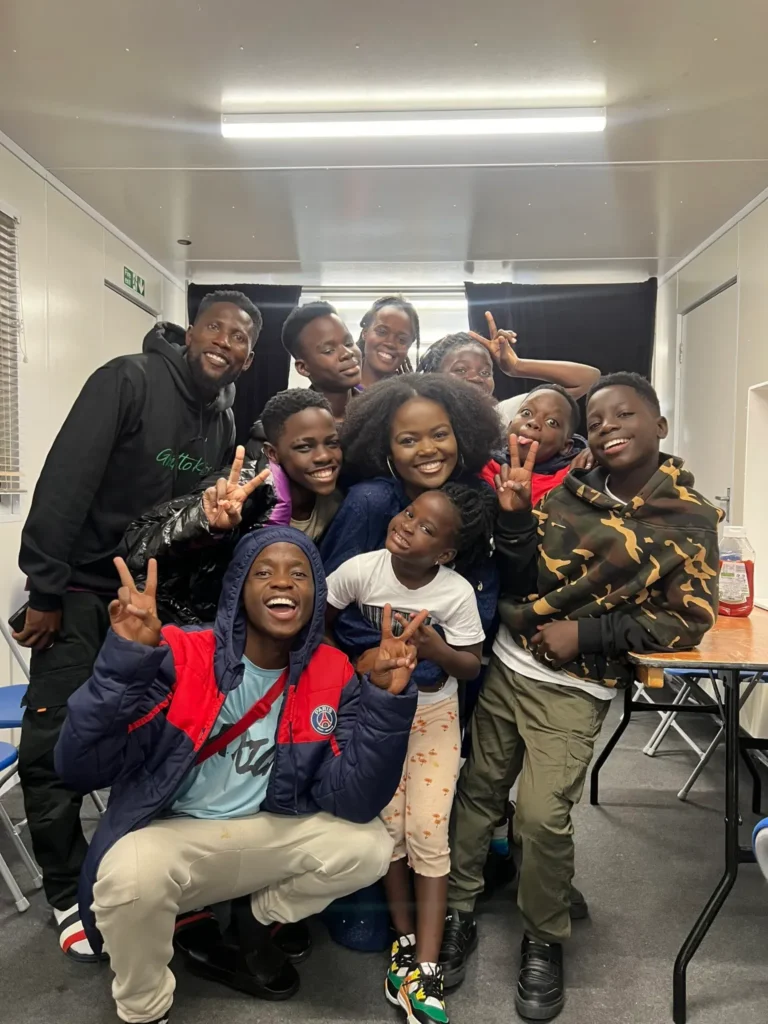
Kavuma made the appeal during a gathering he organised at the home of the Triplets Ghetto Kids to celebrate the group’s return from the World Cup.
The event also brought together other street-connected children, who were provided with meals, drinks and free clothes.
For Kavuma, the gathering was about more than celebrating the Ghetto Kids’ return. It was also an opportunity to give children who are often marginalised a place where they could feel welcomed and supported.
Kavuma used the gathering to highlight what he believes is a major gap in the way Uganda supports children living on the streets.
He called for the government to establish dedicated rehabilitation centres where children rescued from the streets could receive education, mental health care, medication and practical skills.
Kavuma’s appeal comes from personal experience.
“I was one on the streets, and I wanted to give these kids a chance for them to know that they’re loved and welcomed too,” he said.
The event at the Triplets Ghetto Kids’ home provided a temporary space for children to receive basic necessities.
Kavuma said some of the clothes distributed at the gathering had been donated by friends abroad, while others came from his own belongings and those of the Triplets Ghetto Kids.
But he acknowledged that his personal efforts cannot reach every child living on the streets.
He said he has encountered significant talent among street-connected children and wants to do whatever is within his ability to help.
That is why he is calling for a broader government-led approach.
Kavuma said rehabilitation centres could provide children with access to education while also addressing some of the challenges they may face after spending time on the streets.
He specifically pointed to mental health care and medication as services that should be available to children brought into such facilities.
He also raised concerns about discrimination in schools.

“Some of these children are discriminated from schools once they find out that they’re from the streets,” he said.
According to Kavuma, a rehabilitation system should therefore offer different educational pathways based on children’s individual abilities and circumstances.
He suggested vocational skills such as welding, tailoring and building as possible options.
Sports, music and dance could also play a role.
And for some older children who have spent years living on the streets, Kavuma believes traditional classroom education may not always be the most effective way to encourage them to leave that environment.
Kavuma’s advocacy is closely connected to his own experience.
He said he was once among children living on the streets, giving him a personal understanding of the challenges faced by children in similar circumstances.
His work with the Triplets Ghetto Kids has also placed him in an environment where talent development is central to his approach.

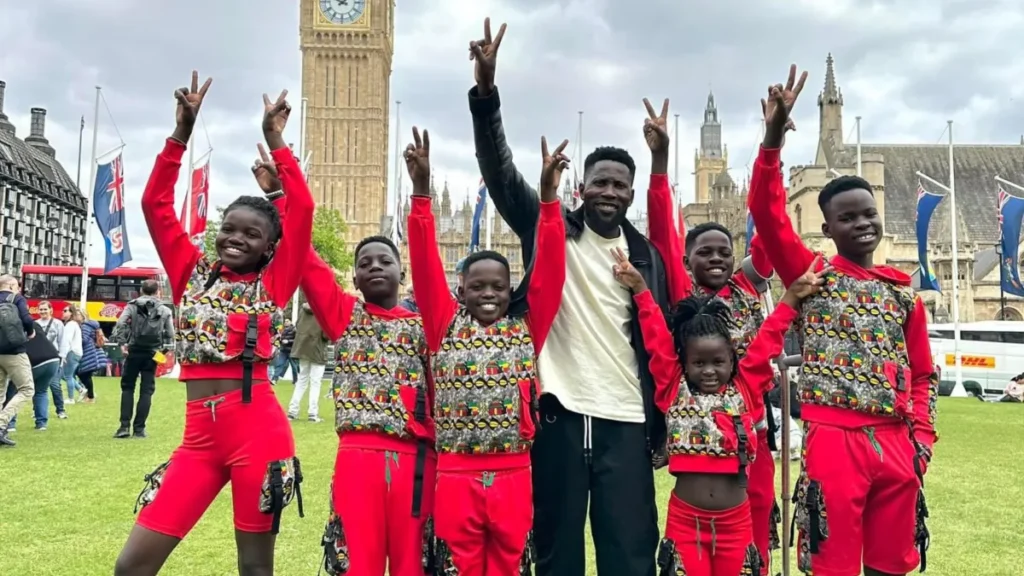
The group rose to international recognition through their dance performances and appearances, demonstrating how creative talent can provide opportunities for children and young people.
Kavuma believes that same approach could help other street-connected children.
Rather than relying solely on conventional schooling, he wants rehabilitation centres to identify what individual children are good at and use those abilities as a pathway toward stability.
His proposed model would combine basic needs with education, health support and practical skills.
Kavuma’s proposal highlights the challenge of supporting children who may have spent significant periods outside formal education.
For younger children, returning to conventional school may be possible. But Kavuma argues that older children who have spent years on the streets may require alternative approaches.
His idea is to use talents such as dance and music, alongside vocational training, as incentives for children to voluntarily leave the streets and enter safe environments.
“Some of these kids are way too old to sit in the same class with others,” Kavuma said.

He added that if children could be attracted by their talents in areas such as dance and music, they could leave the streets voluntarily and move to places where they are safe and cared for.
The proposal therefore goes beyond simply providing shelter. Kavuma is calling for a system that addresses education, health, skills and individual talent.
The gathering was also deeply personal for Kavuma.
Having experienced life on the streets himself, he said he wanted the children who attended to understand that they are loved and welcomed.
The meals, drinks and clothing provided during the event offered immediate support, but Kavuma’s larger concern is what happens to these children beyond a single day of assistance.
His call for rehabilitation centres reflects his belief that children need sustained support and opportunities if they are to build different futures.
Dauda Kavuma is urging the Ugandan government to create rehabilitation centres that combine education, mental health care, vocational training and talent development, arguing that such spaces could give street-connected children a safer pathway away from life on the streets.