


Veteran Ugandan journalist Simon Kaggwa Njala has revisited the death of businessman Ivan Ssemwanga, raising questions about the circumstances surrounding his passing in South Africa in May 2017.
In a post on X, Njala described Ssemwanga’s death as one of the most mysterious cases he had encountered, claiming that his own inquiries left him with unanswered questions about the businessman’s final days.


The journalist said he contacted Steve Biko Academic Hospital in South Africa while investigating the matter. According to Njala, the hospital told him that no patient named Ssemwanga had been admitted there, including under the other names he said had been associated with the businessman.
“This is one of the mysterious deaths to date. I was curious about the circumstances surrounding his death. When I called Steve Biko hospital, they confirmed that there was never any patient called Ssemwanga admitted to their hospital. Not even by the other names as claimed,” Njala wrote.

He also questioned whether a post-mortem examination report had been made publicly available, saying he had not seen one and claiming that even Uganda’s High Commission in South Africa had not seen the document.
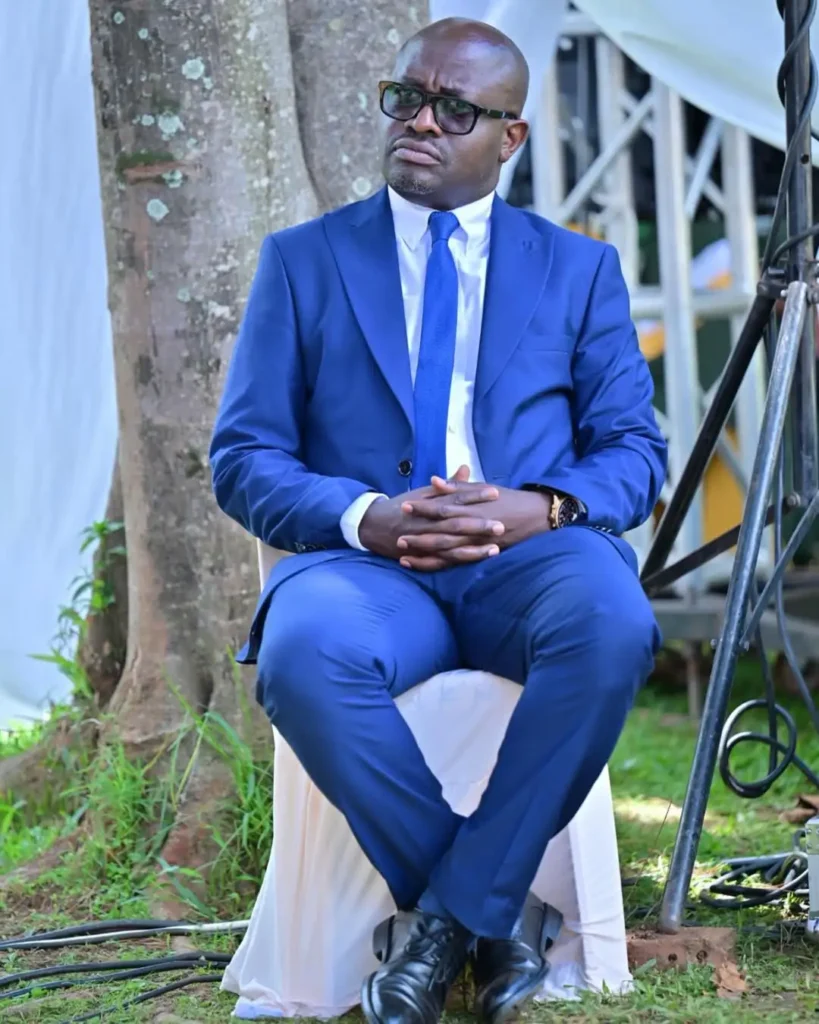
“I doubt whether Ssemwanga died. Nobody saw his autopsy report. Not even Uganda’s High Commission in South Africa. I look forward to details,” he added.
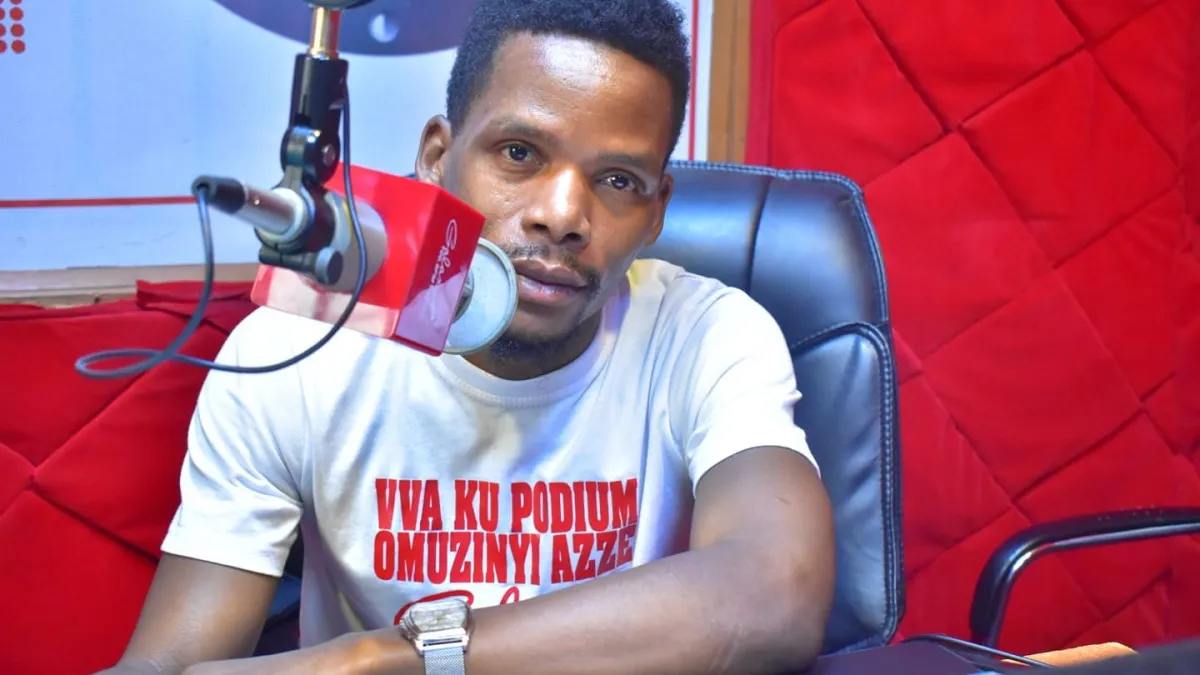
Njala’s remarks have brought renewed attention to the businessman’s death, but the claims in his post have not been independently verified. His account of the hospital inquiry does not, by itself, establish what happened to Ssemwanga or determine the circumstances of his death.
Ssemwanga was a prominent Ugandan businessman whose lavish lifestyle and public profile made him a familiar figure in the country’s celebrity circles. He was also associated with the Rich Gang, a group of wealthy Ugandans who attracted public attention for their displays of luxury and spending.

His death in May 2017 drew considerable attention in Uganda, with interest extending to reports about his illness and final days in South Africa.
Njala’s latest comments focus on questions he says remain unresolved, particularly regarding hospital records and the availability of an autopsy report. However, the information presented in his post does not independently substantiate his suggestion that Ssemwanga may not have died.
As of the information available in the source material, there has been no response addressing Njala’s latest claims. Further documentary evidence or statements from relevant authorities would be needed to clarify the specific questions he has raised