

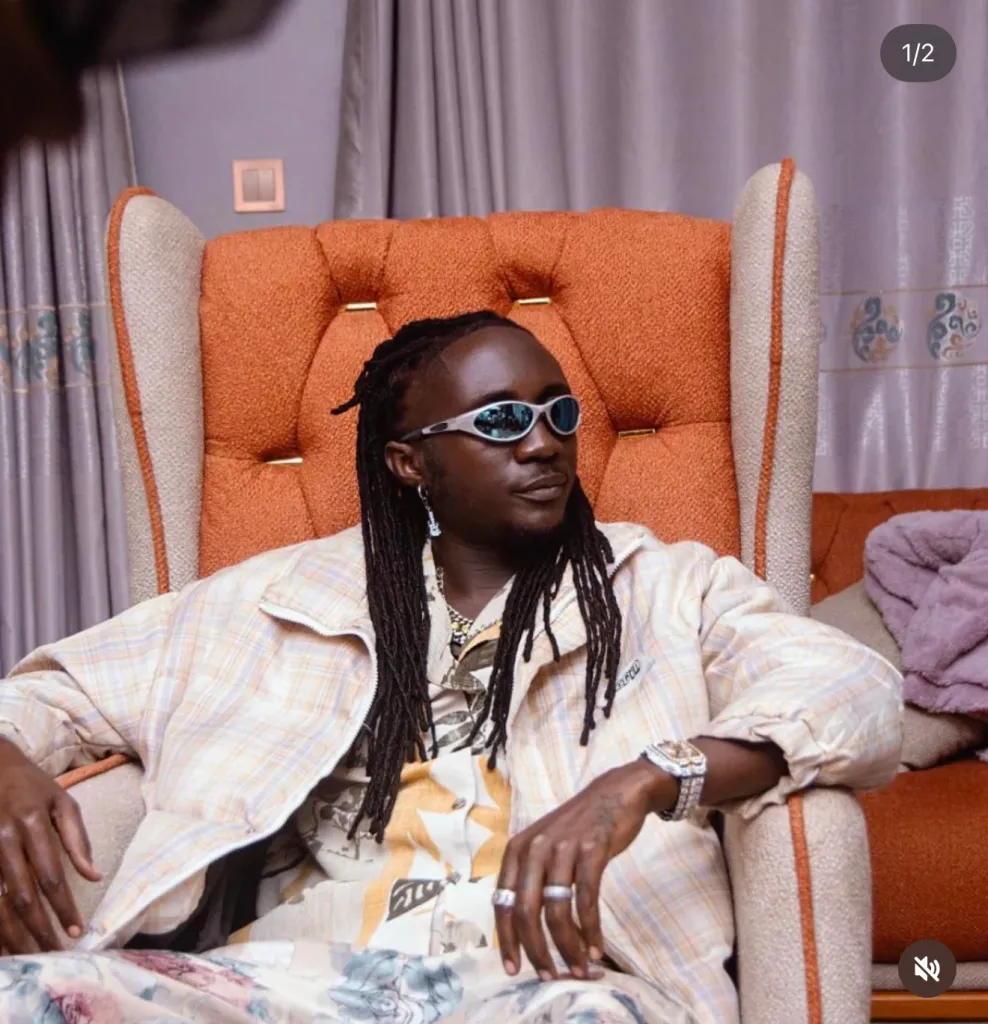
Ugandan dancehall singer Ziza Bafana has questioned why some Ugandans appear more willing to defend foreign musicians than support artists from their own country, following the backlash against King Saha over his remarks about Nigerian superstars Wizkid and Burna Boy.
Bafana weighed in on the controversy after Saha reportedly described Wizkid and Burna Boy as faded artists while suggesting that he was a better musician than the two Nigerian stars.
The comments triggered heated reactions, with several fans taking issue with Saha’s comparison and coming out in defence of the Nigerian musicians.

But Bafana appears to have a different concern. Rather than focusing on whether Saha’s remarks were justified, the singer questioned why comments about foreign artists had generated such strong reactions among Ugandan music fans.
In a statement shared on social media, Bafana suggested that Saha could have been joking and wondered why people had taken his remarks so personally.

“Now that you got pissed because King Saha discussed your favourite artists, so somebody talking about non-Ugandan artists hurts that deeply? Now what if he was kidding?” Bafana questioned.

He went further, arguing that Ugandans often put considerable effort into defending international musicians despite having no direct benefit from doing so.
“It’s funny how Ugandans try so hard to defend artists whom they don’t benefit from,” he added.
Bafana also described Saha’s remarks as throwing a stone into a beehive, suggesting that the singer had triggered a wave of angry responses from people who felt strongly about the Nigerian stars.

His biggest concern, however, was the level of support Ugandan musicians receive from their own audience.
“I swear, I realised Ugandans don’t love their own artists,” Bafana said.
The debate has brought renewed attention to the relationship between Ugandan musicians and their home audience, particularly when local artists make comparisons with internationally established stars.

While Bafana’s comments reflect his personal assessment of the situation, the controversy has raised a broader question about how Ugandan musicians are supported and defended compared with their international counterparts.
And with King Saha’s remarks now drawing attention beyond the original comparison, the conversation has shifted towards an equally interesting issue: how much support do Ugandan artists really receive from their own people?